Journal Entries, Depreciation, Accruals & Month-End Closing
Post multi-account adjusting journal entries, calculate asset depreciation, manage accruals, and execute month-end financial closing.
Learning Objectives
By the end of this guide, you will:
- Understand the Transaction Document State Machine (Draft, Submitted, Cancelled, Deleted).
- Create and post multi-row Journal Entries with zero mathematical difference.
- Calculate and record Fixed Asset Depreciation.
- Book Accruals (Salaries, Rent Payable) and Prepaid Expense Amortization.
- Record Owner Equity Infusions & Drawings.
- Audit the live General Ledger impact directly from any transaction document.
The Transaction Document State Machine
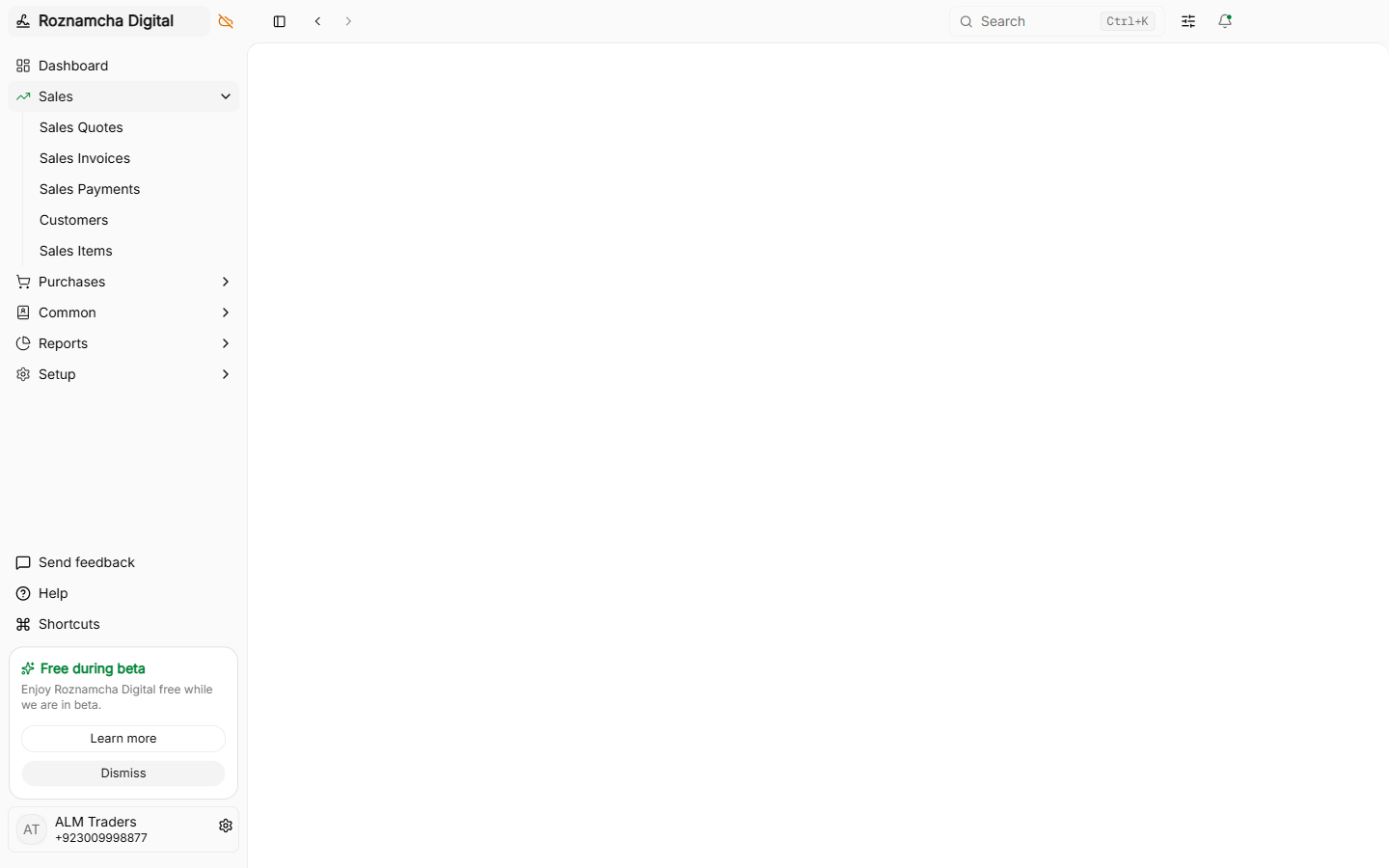
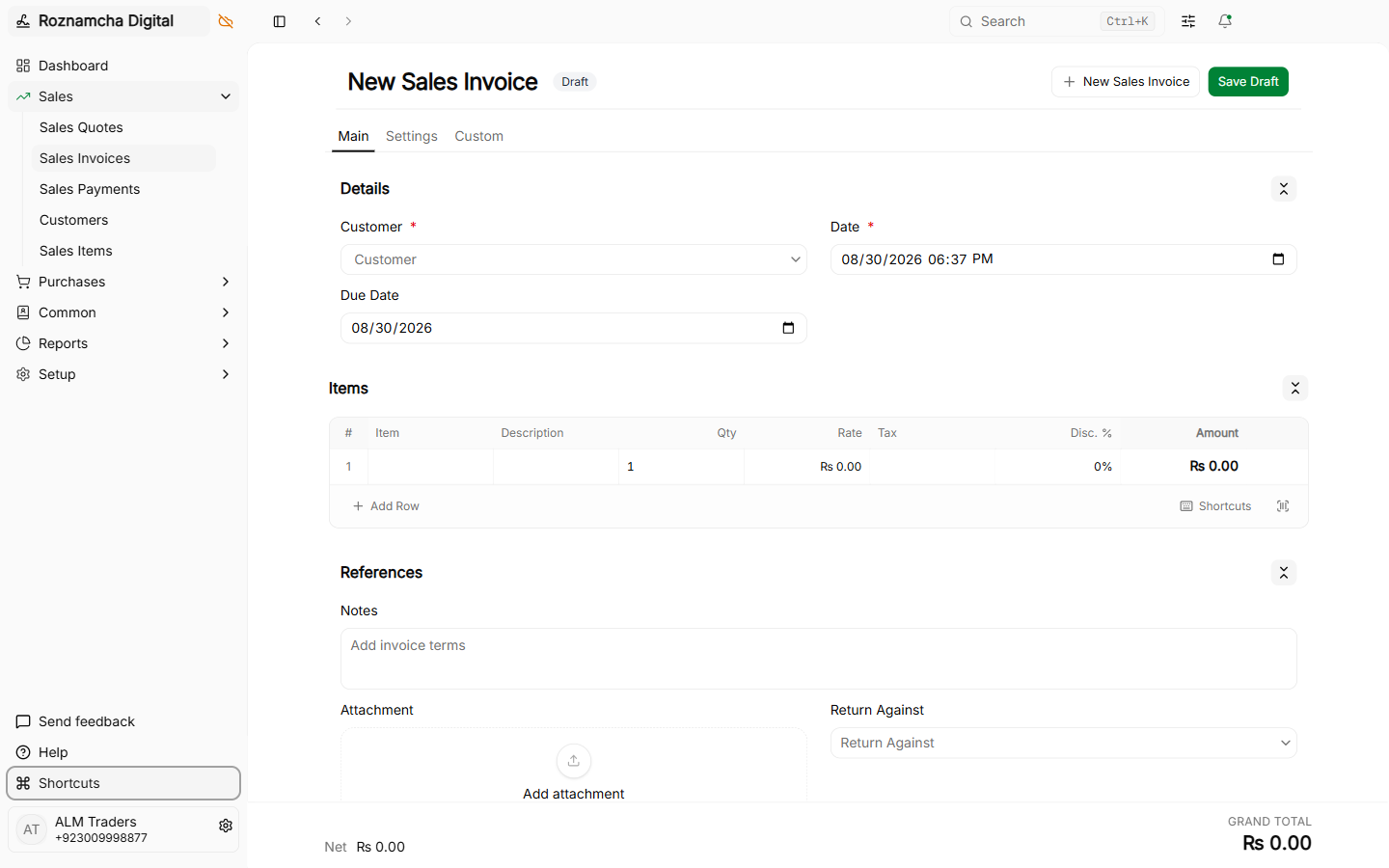
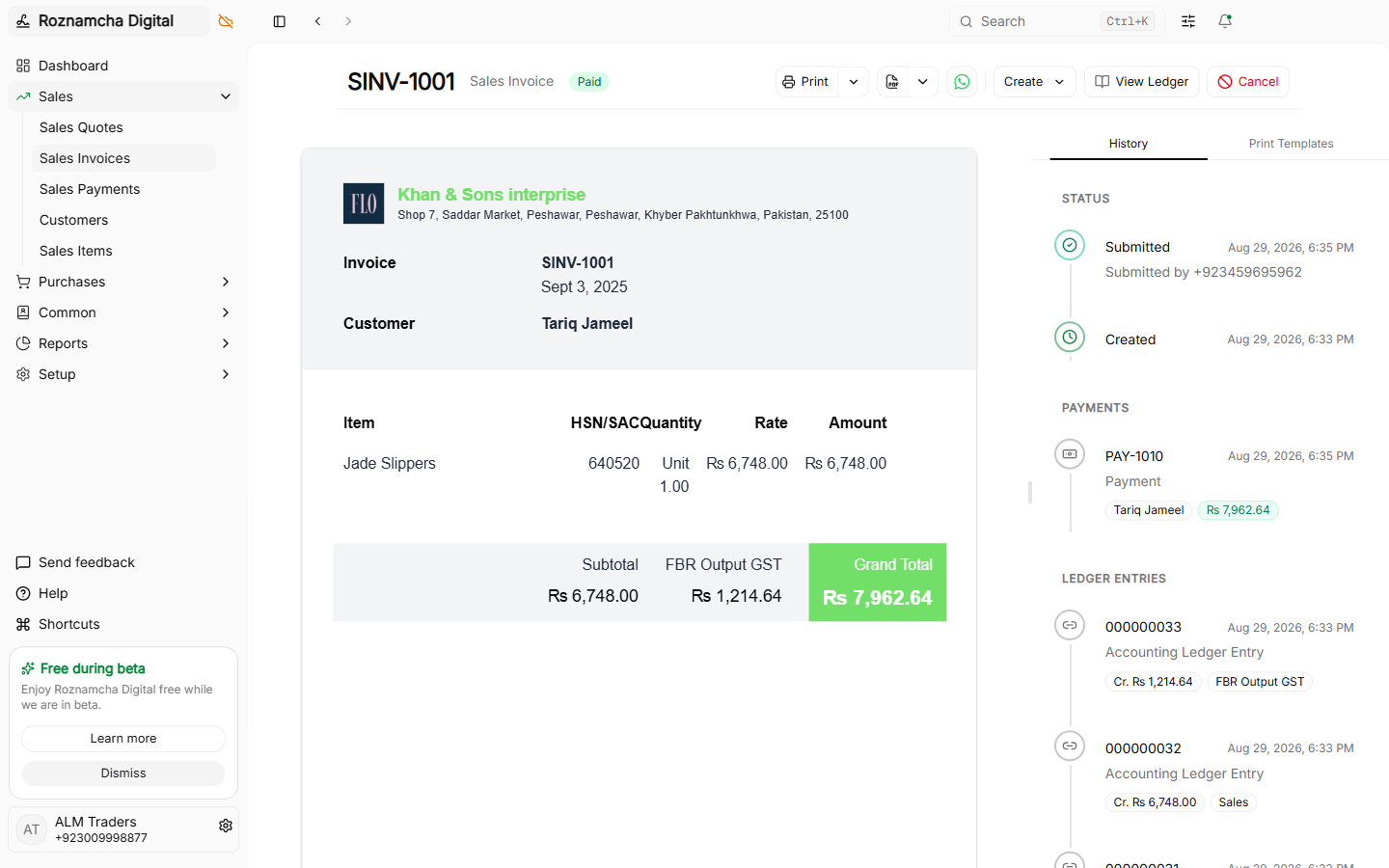
Every transactional document in Roznamcha Digital (Invoices, Payments, Journals, Stock Movements) follows a strict audit state flow:
Document Status Visual States:
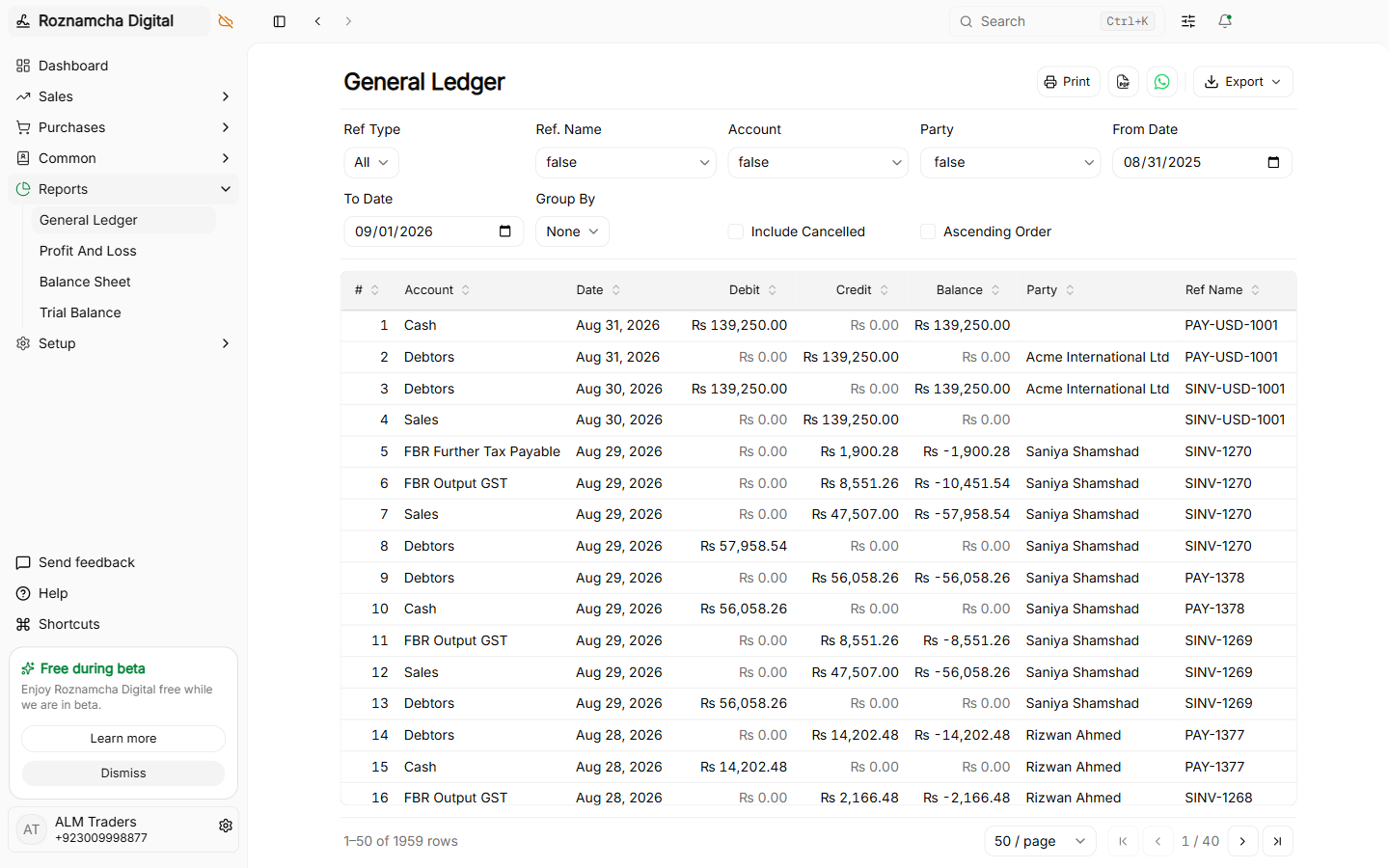
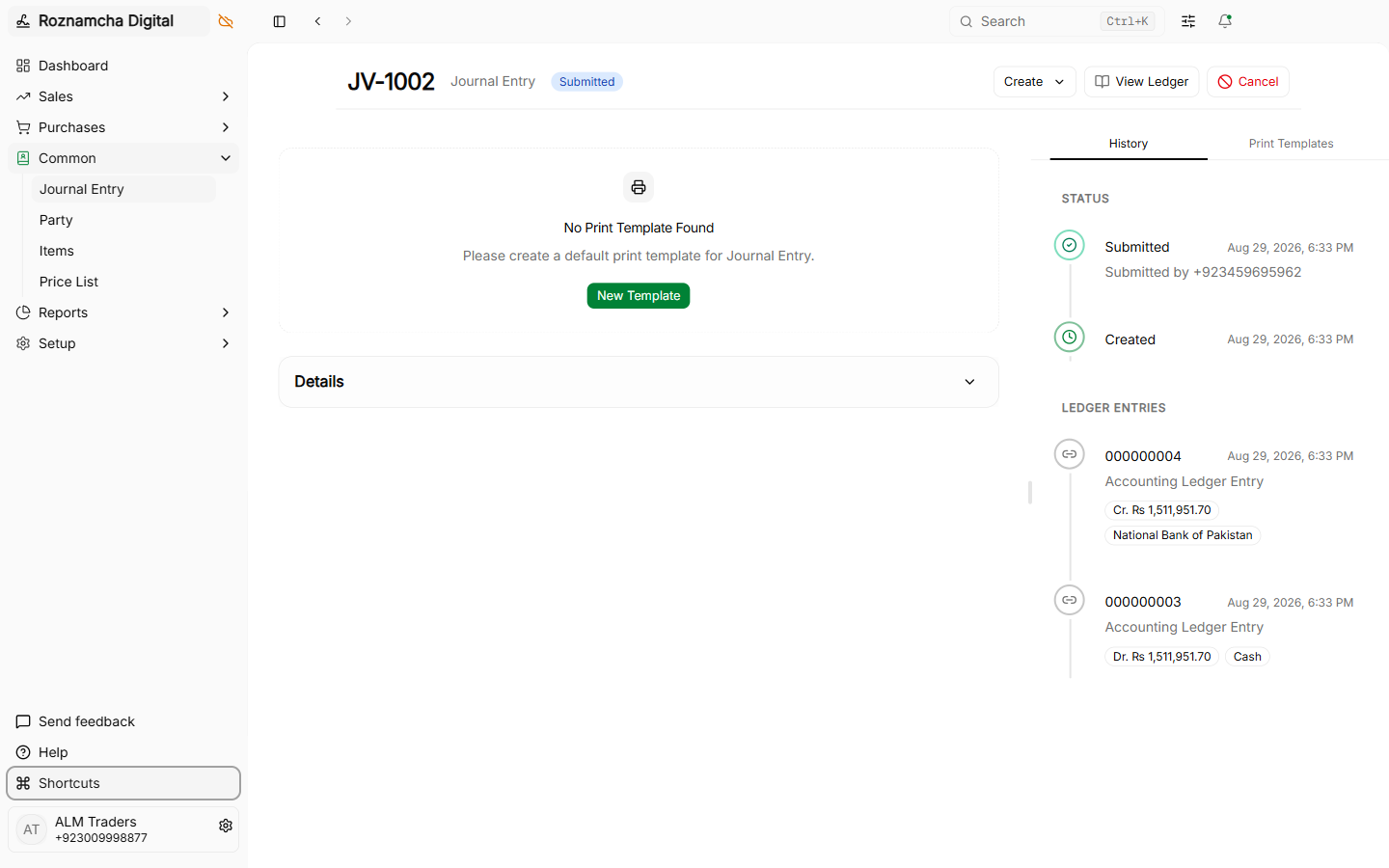
Auditing the General Ledger from Documents:
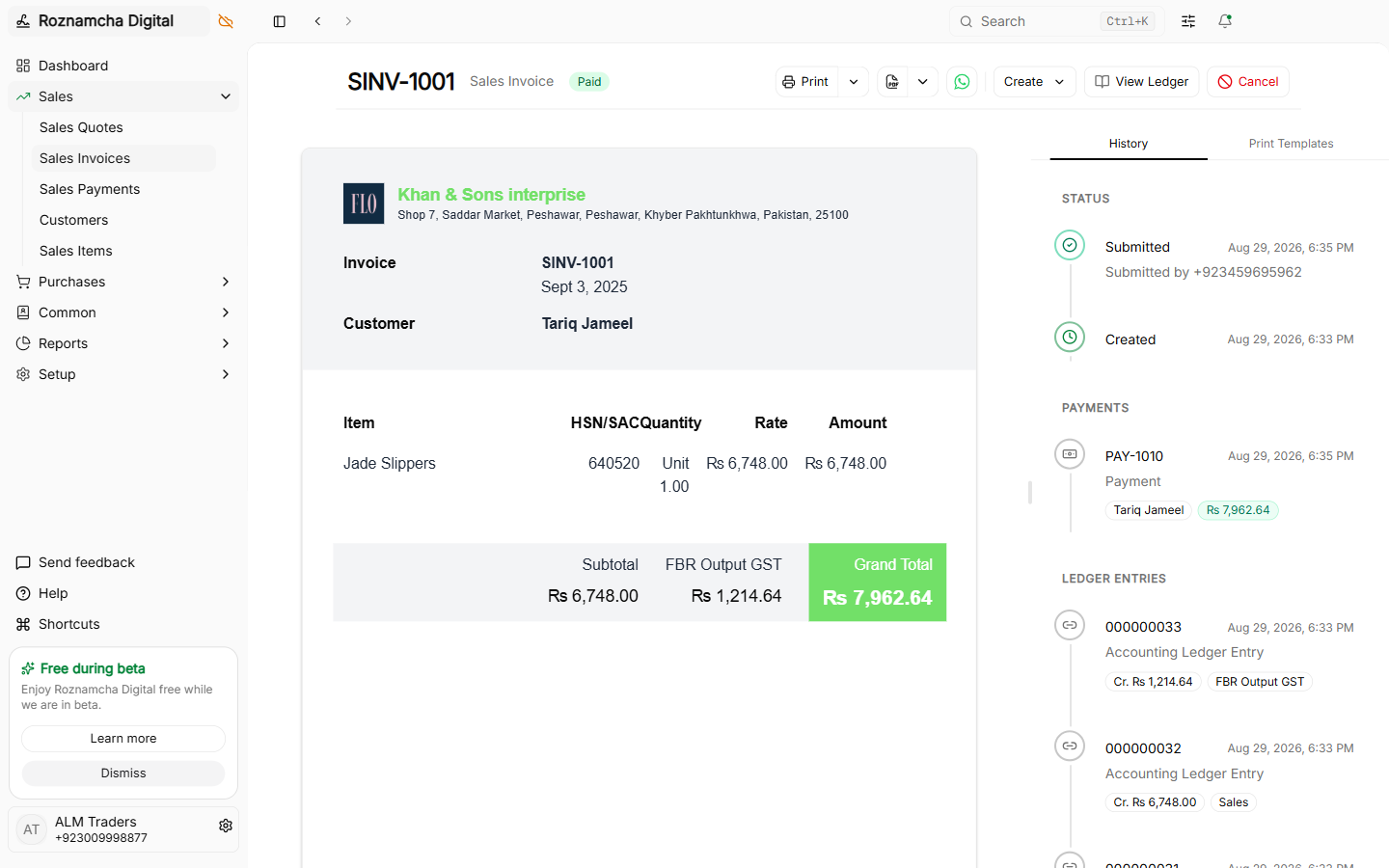
From any submitted document, click View > General Ledger to audit the exact debits and credits posted:
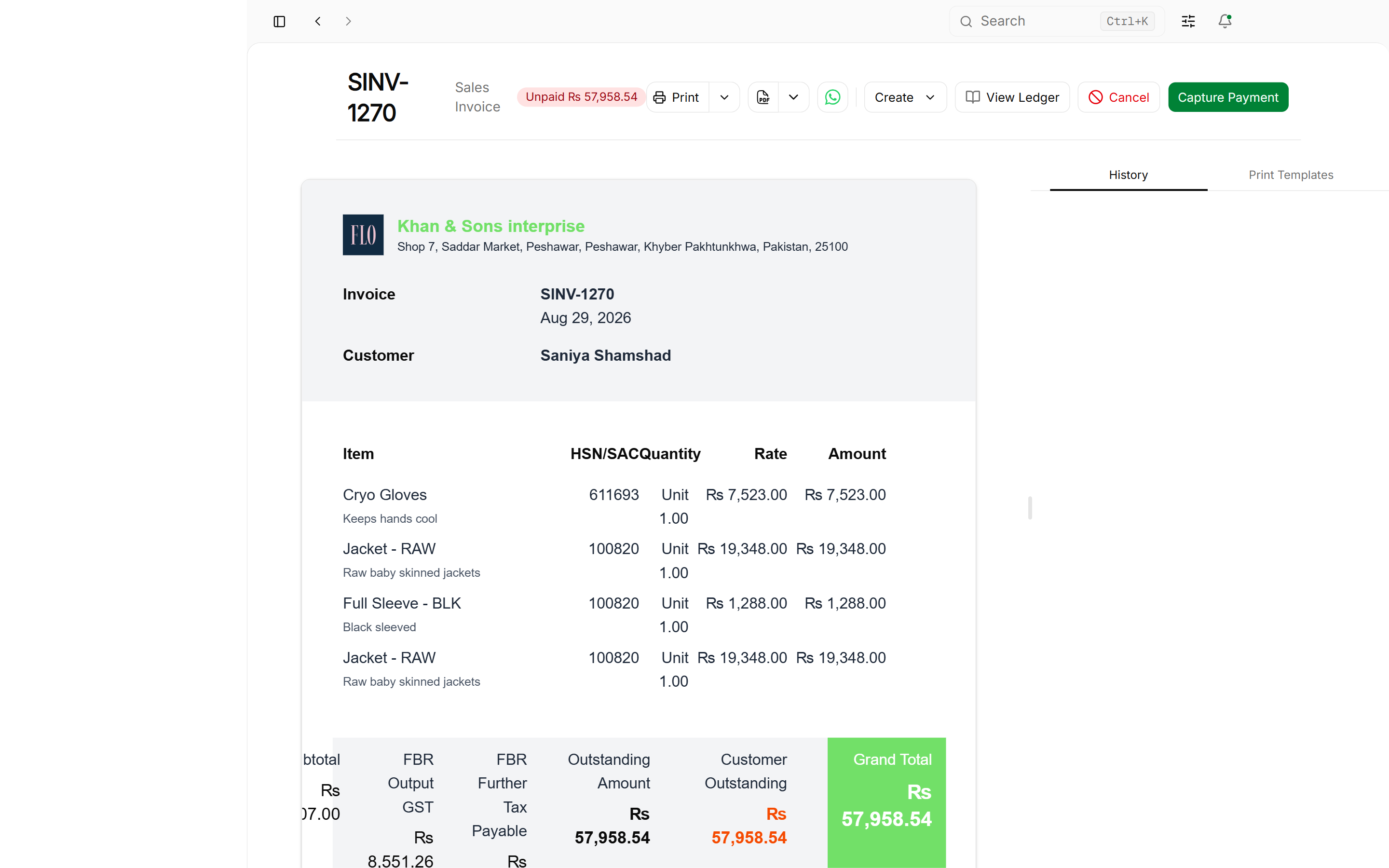
Cancellation & Reversals:
If a submitted entry was created in error, click Cancel:
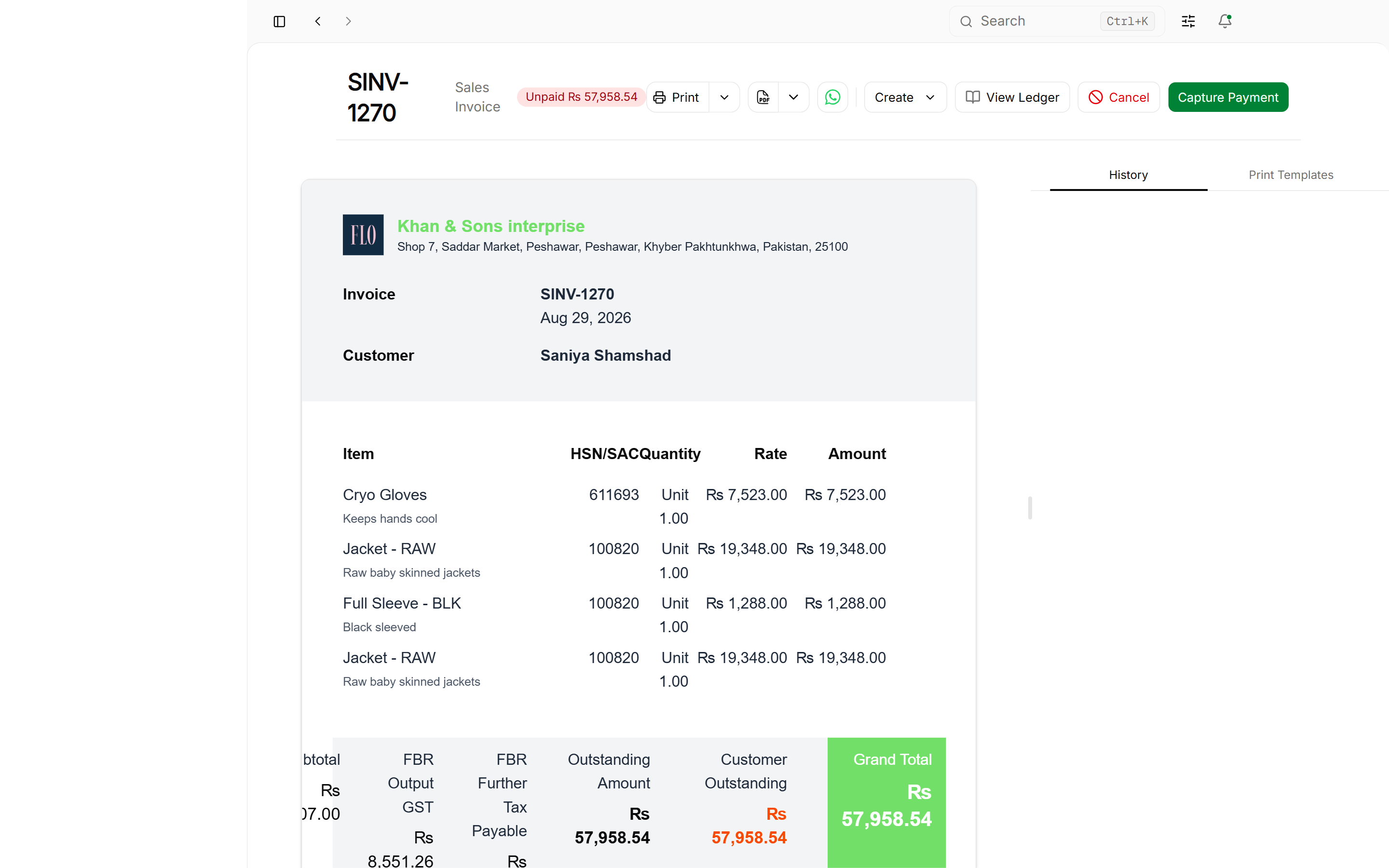
If an unsubmitted draft is no longer needed, click Delete:
Creating a Multi-Account Journal Entry
Navigate to Accounting > Journal Entries > New Journal Entry:
Common Month-End Adjustments
1. Fixed Asset Depreciation (Straight-Line Method)
- Formula:
Monthly Depreciation = (Asset Cost - Salvage Value) / (Useful Life in Months) - Journal Posting:
- Debit:
5210 Depreciation Expense(Expense increases) - Credit:
1211 Accumulated Depreciation(Contra-asset increases)
- Debit:
2. Salary & Payroll Accruals
At the end of the month, even if cash is paid out on the 5th of the following month, the expense belongs in the active month:
- Journal Posting:
- Debit:
5130 Salaries & Wages Expense(Expense booked in current month) - Credit:
2130 Salaries Payable(Liability until paid out)
- Debit:
3. Owner Drawings & Capital Infusions
When the business owner deposits personal funds or withdraws profit for personal living expenses:
Common Pitfalls & Best Practices
Do Not Mix Operational Invoicing with Manual Adjustment Journals: Always use Sales Invoices for customer sales and Purchase Invoices for vendor bills so inventory quantities, tax calculations, and party sub-ledgers update systematically.
Use Meaningful Journal Remarks: Enter descriptive notes in the User Remarks field (e.g. “Sep 2026 Delivery Van Depreciation per Auditor Schedule”). This saves hours during year-end tax audits.
Knowledge Check
Promotional Pricing Rules, Campaign Coupons & Loyalty Points
Configure automated tiered quantity pricing rules, campaign coupon codes, customer loyalty reward programs, and lead pipeline tracking.
Financial Statements, General Ledger & Business Analytics
Generate and interpret General Ledgers, Profit & Loss Statements, Balance Sheets, Trial Balances, Stock Valuations, and Aging Reports.